

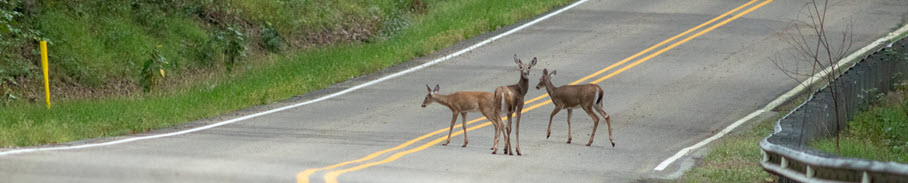
Fall is finally upon us in Connecticut. While there are many reasons to celebrate this turning of the seasons – crisp air, tasty apple recipes and big leaf piles among them – there are also reasons to approach this season with certain kinds of caution. For example, the risk of car versus deer crashes rises significantly during the autumn.
Shorter days, cooler weather and the deer mating season all contribute to increased deer movement at this time of year, making collisions more likely. With this said, while fall is the peak season for these accidents, drivers should remember that deer crashes can happen at any time of year. Yet, it is undeniable that staying alert and taking proper precautions during fall is especially important when it comes to avoiding serious injuries and property damage as a result of car-deer collisions.
What drivers should know about deer dangers
Deer are most active during dawn and dusk, when many people are commuting. These animals often travel in groups, so if you see one near the road, there are likely more nearby. Rural areas, highways that cut through wooded regions and places marked with deer crossing signs are especially high-risk zones. Unfortunately, deer do not understand traffic patterns, and their unpredictable movements make it difficult for drivers to react in time.
Swerving to avoid a deer can be just as dangerous as hitting one, often leading to head-on collisions or rollovers. The injuries from these types of crashes can be severe. A large deer can cause significant damage to a car, and the impact may lead to head injuries, broken bones and/or whiplash for those inside. Motorcyclists face even greater risks, as striking a deer can throw a rider from their bike.
In Connecticut, damage caused by hitting an animal is typically covered under comprehensive insurance, not collision coverage. However, not all drivers carry this protection, leaving some to pay for damages out of pocket. Even when coverage applies, disputes can arise about the extent of repairs or injuries. When serious injuries occur, victims may need to explore additional legal options, especially if another driver’s negligence contributed to the accident at issue, such as swerving recklessly or failing to maintain a safe following distance.